
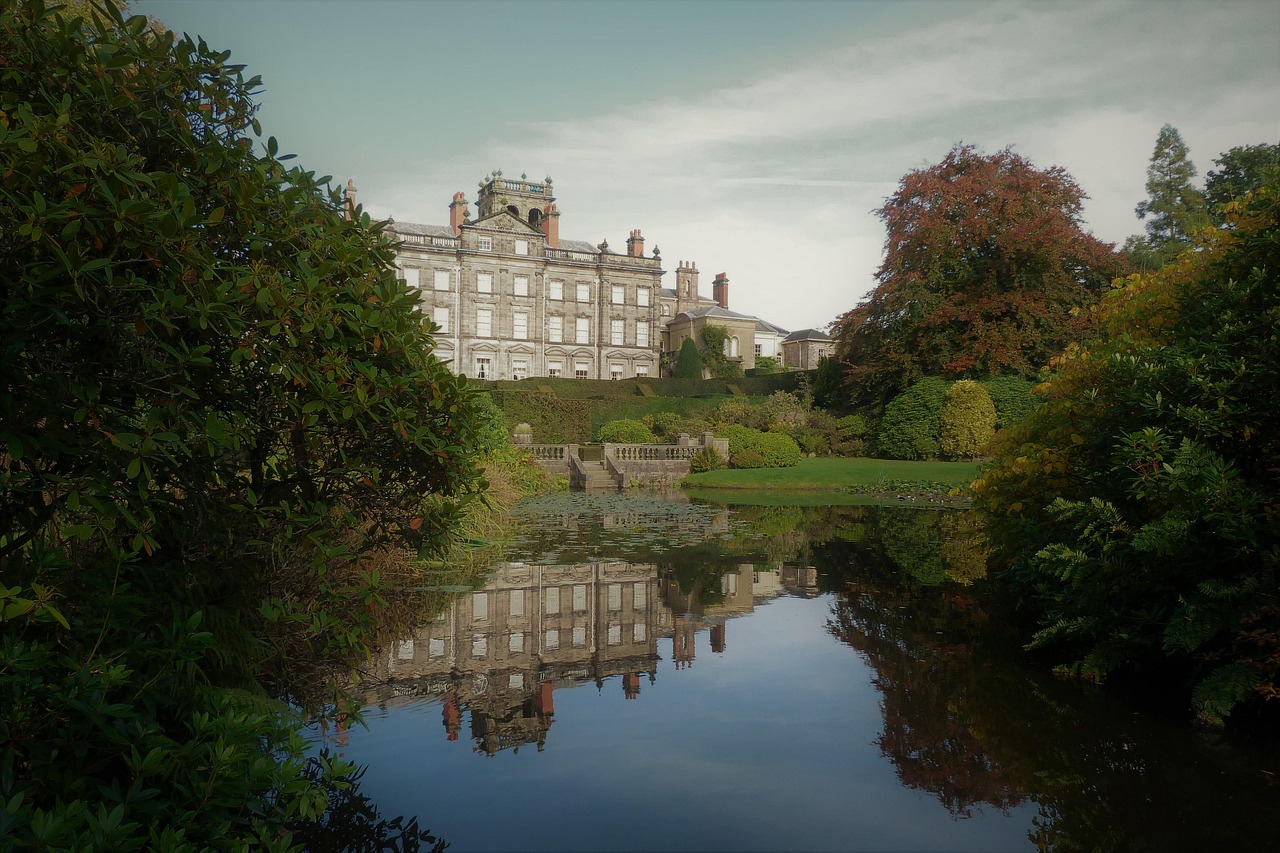
Every historic property has its own story and character.
Whether it is a Georgian townhouse, a Victorian villa or a centuries-old country house, period buildings have a character that is difficult to recreate. Their proportions, detailing and traditional timberwork tell the story of how they were built and of the craftsmen who made them.
Even the best joinery, however, eventually begins to show its age. Sash windows can become difficult to open, doors suffer after decades of exposure to the weather, and mouldings or other decorative details may deteriorate after years of use and previous repairs.
When this happens, the answer is not always replacement.
At Malbrook, we believe work on a historic property should begin by understanding what is already there. Every building is different, and the right approach may involve careful repair, restoration or, where necessary, accurate replacement.
From our Reading workshop, we work on listed buildings, homes in conservation areas and period properties across Berkshire and the South East, creating and restoring joinery that respects the character of the original building.
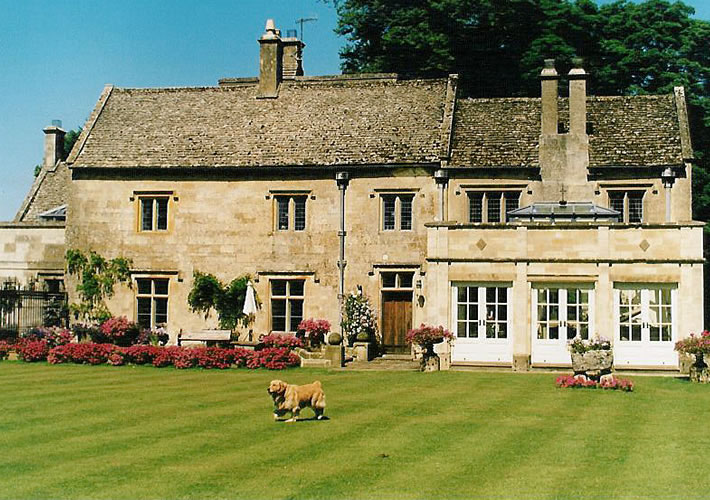
Preserving Original Character
One of the easiest ways to change the appearance of an older property is to replace original joinery with something that is almost right, but not quite.
Traditional windows, doors and architectural details were designed as part of the building as a whole. Differences that appear small on paper — the width of a glazing bar, the profile of a moulding or the proportions of a timber section — can be surprisingly noticeable once installed.
For that reason, good conservation work involves much more than making a new piece of joinery that looks vaguely similar to the old one.
We begin by looking carefully at the existing work: how it was made, its proportions, the timber sections used and the details that identify its period. Wherever practical, sound original material is retained and repaired rather than replaced unnecessarily.
The aim is simple: when the work is finished, it should belong to the building.
Restoring Historic Timber Windows
Timber sash windows are among the most distinctive features of many period homes, and they are often more repairable than their condition initially suggests.
Layers of old paint, broken sash cords, draughts and localised areas of decay can make a window appear beyond saving. In many cases, however, these problems can be addressed without removing the original window altogether.
Careful repair can return historic windows to good working order while retaining the glass, timber and detailing that give them their character.
Where a window genuinely cannot be saved, the replacement needs to be considered just as carefully. Glazing bars, mouldings, frame sections and proportions should all relate properly to the surrounding building.
A successful replacement should not draw attention to itself. It should simply look as though it has always been there.
Heritage Doors and Traditional Joinery
A front door can be one of the defining features of a period house.
Georgian entrances, Victorian panelled doors and other traditional designs contribute greatly to the character of a façade. Repairing or recreating them properly means paying attention to much more than overall shape and colour.
Panel arrangements, moulding profiles, timber dimensions, joints and ironmongery all influence whether the finished door feels authentic.
The same principles apply inside the property.
We regularly work with architectural joinery such as architraves, panelling, cornices and staircases, repairing original work where possible and reproducing missing or damaged elements where required.
New work should sit comfortably alongside the old rather than announcing itself as a later addition.
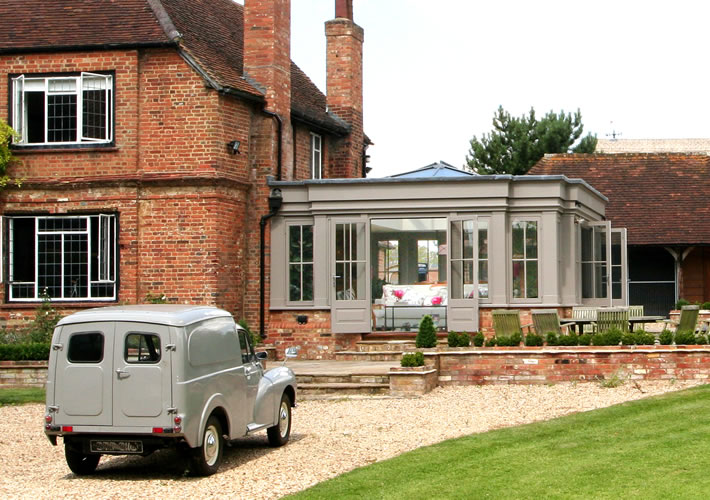
Working on Listed Buildings and in Conservation Areas
Listed buildings naturally require particular care.
Alterations may need Listed Building Consent, and conservation officers will often want to understand exactly what is being repaired, altered or replaced before work begins.
This makes accurate surveys, clear specifications and an understanding of traditional construction particularly important.
Malbrook works with homeowners, architects and conservation professionals throughout the process. Where required, we can assist with the information needed to support an application and ensure that the proposed joinery is appropriate for the building.
The objective is not to make a historic home behave like a new-build property. It is to make sensible improvements while protecting the features that make the building significant in the first place.
Improving Comfort Without Losing Character
Owners of period homes still expect them to be comfortable, secure and practical places to live.
Fortunately, improving performance does not always mean compromising appearance.
Where the building and relevant approvals allow, traditional joinery can incorporate discreet improvements such as draught-proofing, enhanced security and carefully selected glazing solutions.
These details are most successful when they go largely unnoticed.
From the outside, the proportions and character of the building remain unchanged. Behind the scenes, however, thoughtful improvements can make a significant difference to everyday comfort and usability.
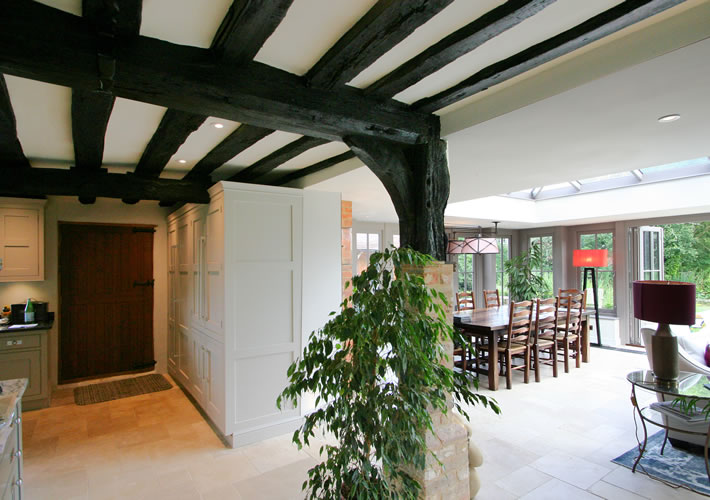
Craftsmanship That Respects the Past
Working with historic joinery is ultimately about judgement.
Knowing what should be repaired, what can be retained and what genuinely needs to be replaced is every bit as important as the craftsmanship involved in making the new work.
For more than thirty years, Malbrook has worked on period homes across Berkshire, Surrey, Buckinghamshire and the wider South East. Our projects range from individual window and door repairs to extensive joinery commissions forming part of larger restorations.
Each one is approached in the same way: understand the building first, preserve what is worth preserving and make any new work with the care and attention the property deserves.
If you are planning work on a listed building, a property in a conservation area or a period home, contact Malbrook to discuss your project and how we can help preserve its character for the years ahead.